
When we think of tiles, the first things that come to mind are their size, design, or colour. But very few people stop to think about the material that holds those tiles together – grout. For most, grout is simply the filler that goes between the tiles, but the truth is much deeper. Grout is not just a filler; it is a crucial component that gives tiles their strength, stability, and longevity. Without grout, no matter how premium your tiles are, they won’t last long or look their best.
Let us understand how grout actually works and why it is an essential step in tile pasting.
- How Grout Works
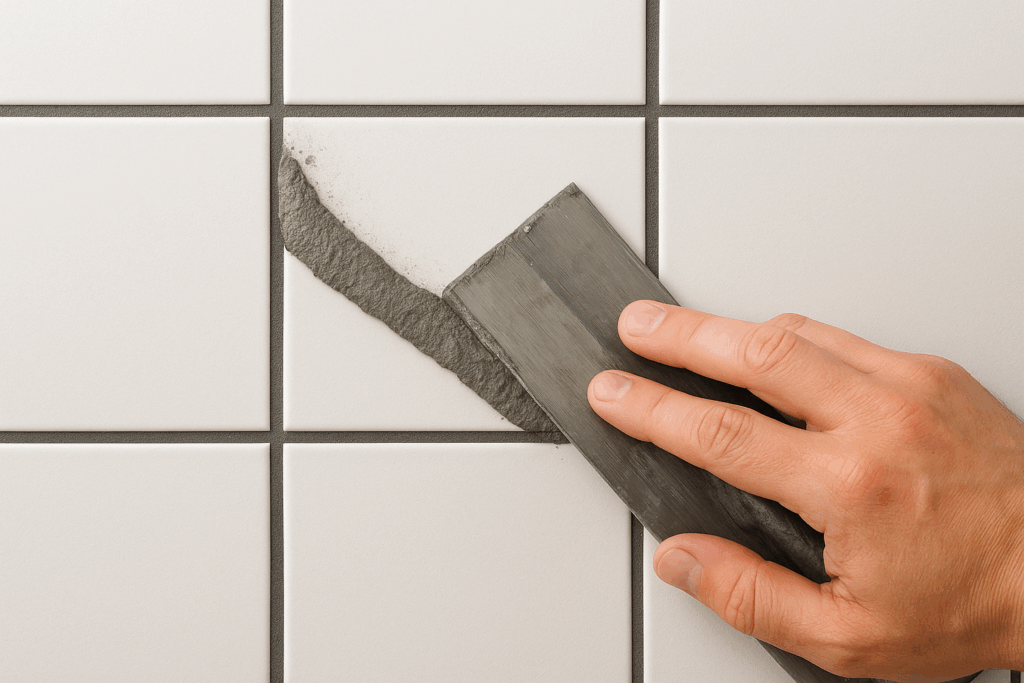
When tiles are laid, even with the most careful work, there will always be tiny gaps between them. These gaps are necessary to allow for expansion and contraction due to temperature changes, as well as to ensure the tiles fit correctly. However, leaving these gaps open would create space for dirt, water, or dust to settle in. This is where grout comes in.
Grout is a mixture made of cement, sand, water, and sometimes additives to improve flexibility and strength. Once applied, it seeps into the gaps between the tiles and hardens over time. This process creates a tight bond between the tiles and the surface below. Essentially, grout locks the tiles in place like glue but also adds a protective shield against external damage.
Think of grout as the invisible force that brings the entire tile surface together. Without it, the tiles would not stay stable, would shift, and eventually crack or break.
- Strength and Support for Tiles
Tiles are strong individually, but when laid together without grout, they are weak as a system. Grout transforms these individual tiles into one solid, stable surface. It prevents tiles from moving under pressure, especially in high-traffic areas like living rooms, kitchens, and bathrooms.
For walls, grout adds firmness so tiles don’t come loose over time. For floors, it creates a surface that can handle daily wear and tear without tiles popping up or breaking. In simple words, grout acts as the backbone of your tiled space, giving it the strength it needs to last for years.
- Defence Against Moisture and Dirt
Another big reason grout is so important is its role in waterproofing and hygiene. In areas like bathrooms, kitchens, or outdoor spaces, moisture is a constant challenge. If water seeps under the tiles, it can cause mould growth, bad odour, and even damage the floor structure. Grout seals these gaps, preventing water from entering and keeping the surface clean and healthy.
Similarly, unfilled gaps can attract dust, dirt, and even insects. With proper grouting, cleaning becomes easier, and the tiled area stays neat and hygienic.
- Enhancing Beauty and Design
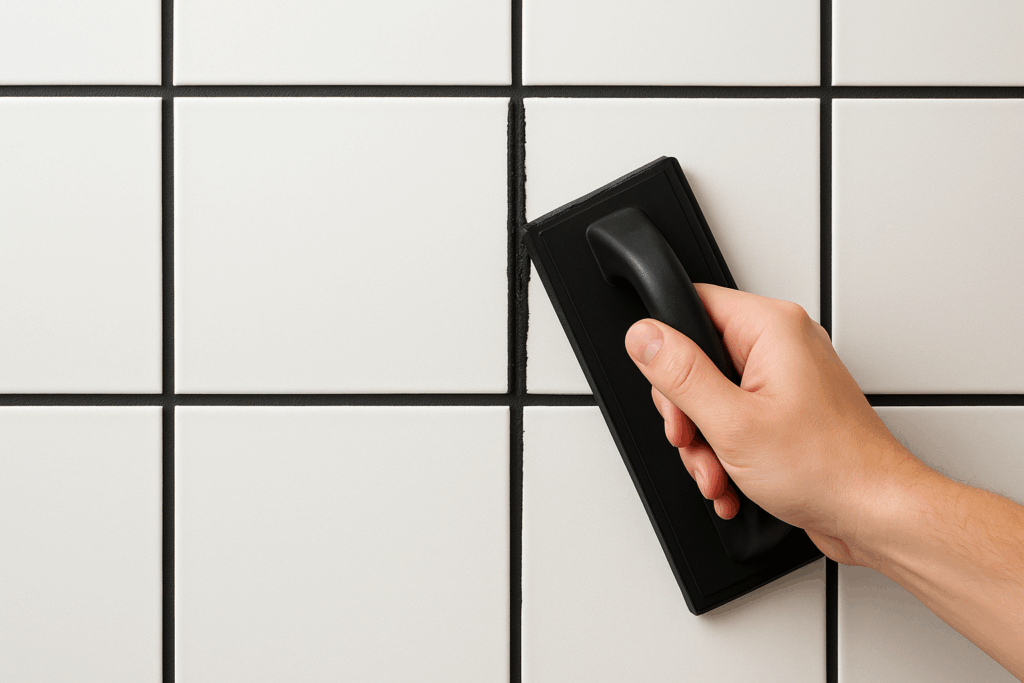
Apart from strength, grout also plays a big role in the appearance of your tiles. A well-grouted surface looks smooth, neat, and professional. Today, grout is no longer limited to just white. With shades like grey, black, or even colourful options, grout can complement or contrast your tiles to create a modern, stylish look. For example, white tiles with black grout give a bold, fashionable touch, while coloured tiles with matching grout create harmony.
- Longevity and Low Maintenance
Tiles with proper grout last much longer. While grout itself needs occasional cleaning and resealing, once applied correctly, it ensures the tiles remain firmly in place for years without frequent repairs. Simply put, good grout means durable tiles and a worry-free home.